Wye Junction
Durham, NC
Landscape Forms Elements:
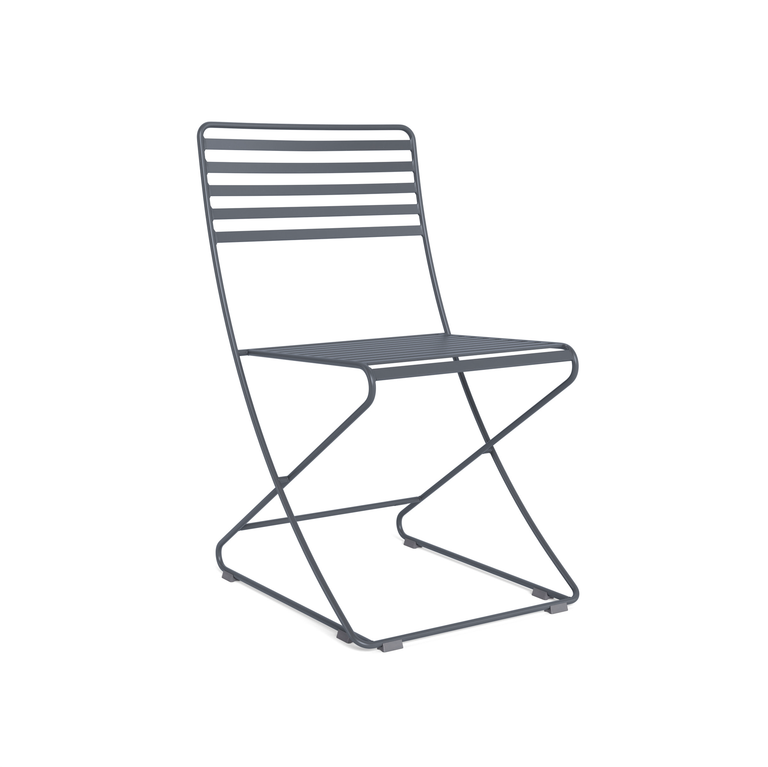
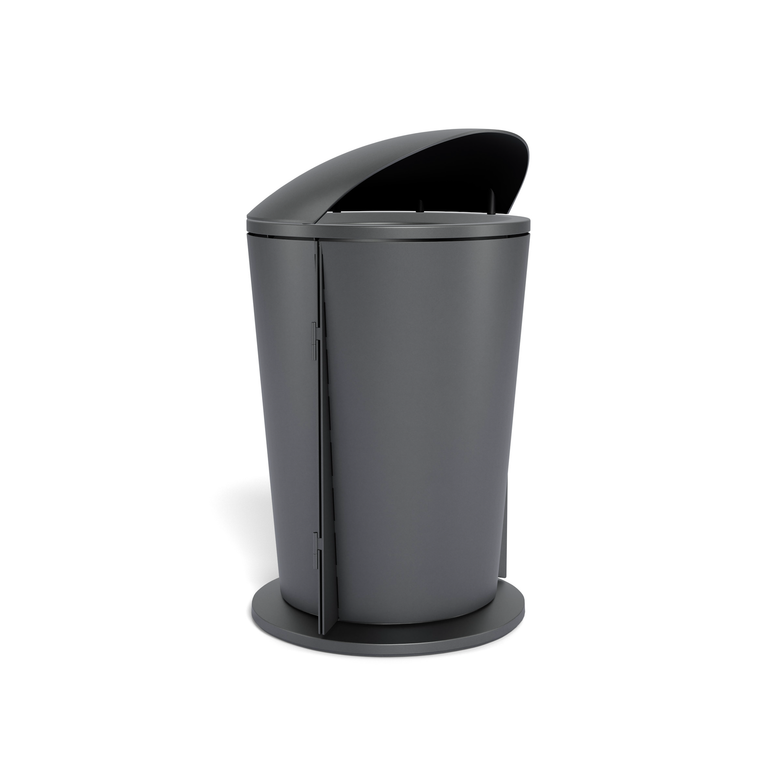
Profile bollards, Parallel 42 benches, Harvest tables & benches, Parc Centre tables & chairs, Bola bike racks, Austin litters
Design Partners:
Stewart, A Stratus Team Company
Photography:
Triggs Photography, LLC
In Durham’s Warehouse District, Wye Junction transforms the former Erwin Oil facility and City Garage into a mixed-use community rooted in the site’s industrial history. Its name references the railway “wye” that once allowed trains to change direction and move directly onto the property, where elevated tracks carried railcars above waiting trucks.
Environmental remediation and extensive underground utility easements limited where the brownfield site could support new construction. Those constraints, however, opened an opportunity for a 40,000-square-foot public park beside the new luxury apartments and future Durham Rail Trail. Designed by Stewart, a Stratus Team Company, the landscape follows the alignment of the original railway and incorporates reinstalled rails, salvaged concrete, historic machinery and other artifacts retained from the property.
“The existing conditions shaped the design, both in terms of what was there physically and what was underground,” describes Terence Welles, PLA, ASLA, Project Manager and Landscape Architecture at Stewart.
Together with the preserved City Garage, 1926 Fire Drill Tower and 30-foot muraled oil tank, these materials make the site’s history tangible without freezing it in time. Their reuse also carries Wye Junction’s adaptive-reuse strategy into the landscape, reducing material waste and the embodied carbon associated with replacing what could be retained. The original rails were lowered from their elevated structure and reinstalled along the same axis, while embedded railroad ties and salvaged concrete help reinterpret the former industrial infrastructure as walkable public realm.
People from Durham who are familiar with the history of the site should be able to recognize the organizational elements and materials in our design, as they tie back to what was there before.” Welles says.
Rather than replicate that historic industrial character too literally, the design team selected contemporary Landscape Forms elements with refined forms, complementary materials and carefully considered finishes. “We leaned into the simplicity of the furniture,” explains Welles.
“The simple, clean forms and colors contrast nicely with the intricacies of some of the historical artifacts on the site”
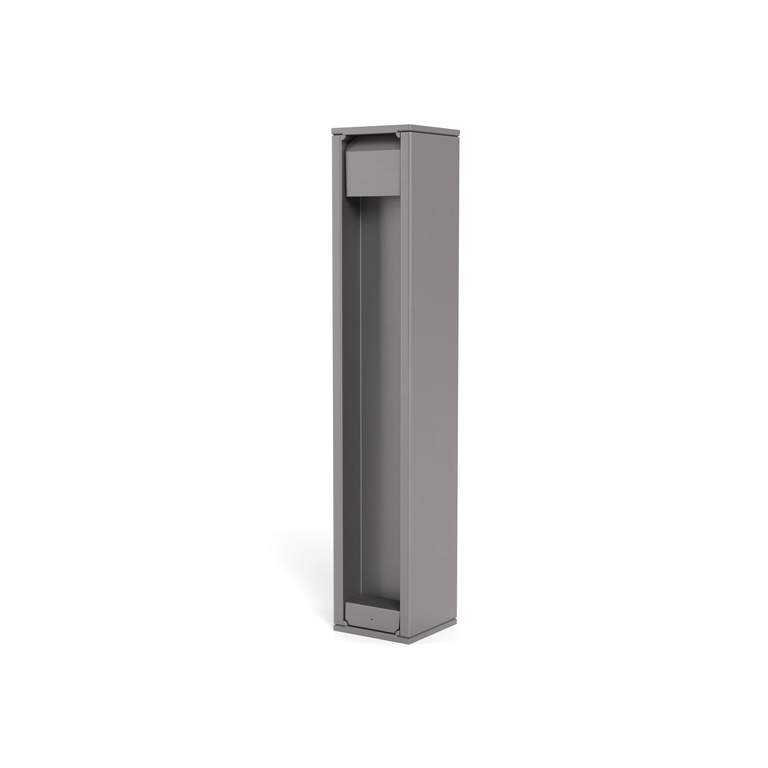
Profile bollards reinforce the connection through an I-beam-inspired form that relates naturally to the patinated steel pergola, vertical metal fencing and preserved equipment. Specified in a Nutmeg powdercoat, the bollards extend the landscape’s warm, pleasantly weathered palette while providing understated illumination along paths, gathering areas and planting beds.
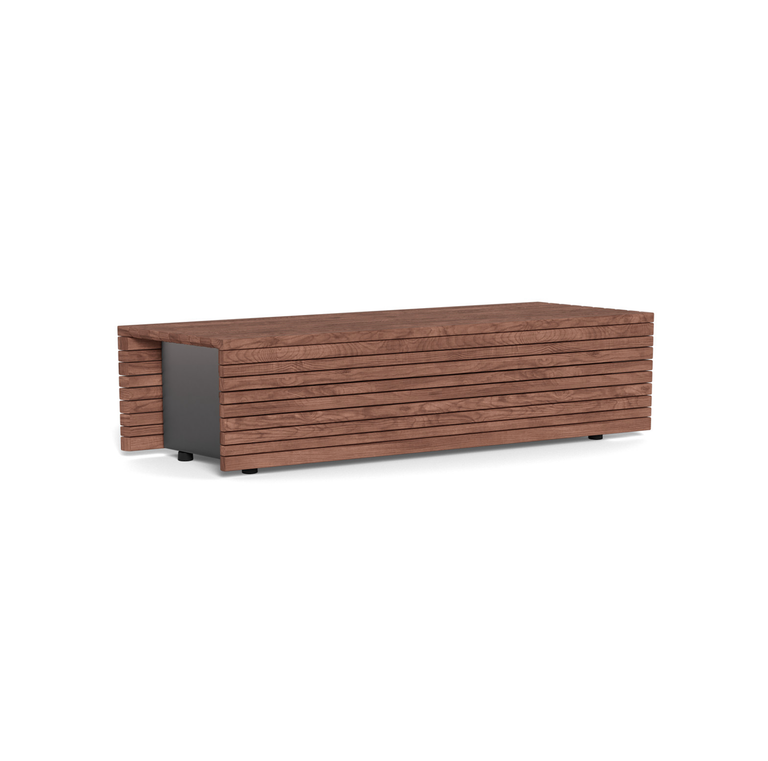
Wood-clad Parallel 42 benches introduce another layer of warmth and linear geometry, visually recalling the railroad ties inlayed along the historic track alignment. Their materiality softens the surrounding steel and masonry while remaining consistent with the site’s robust industrial vocabulary.
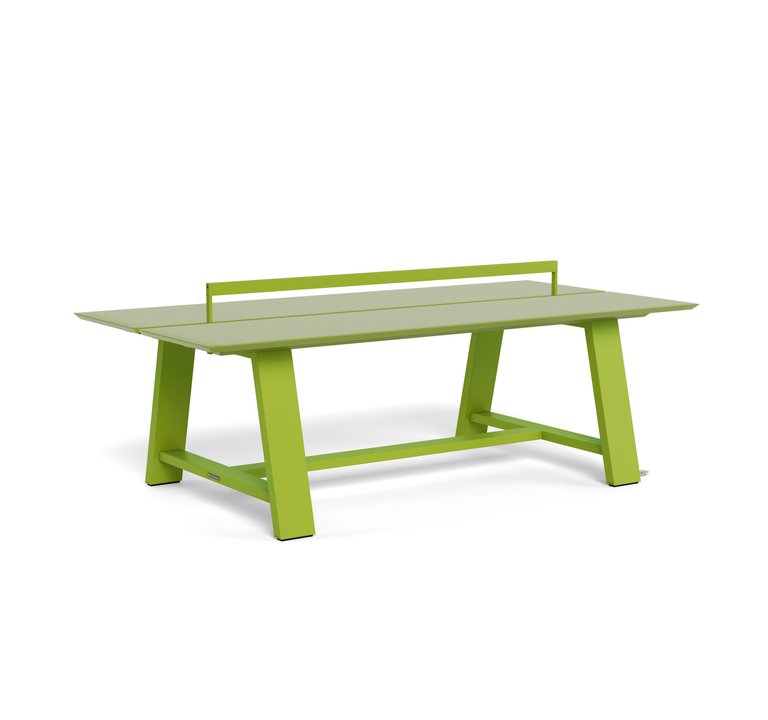
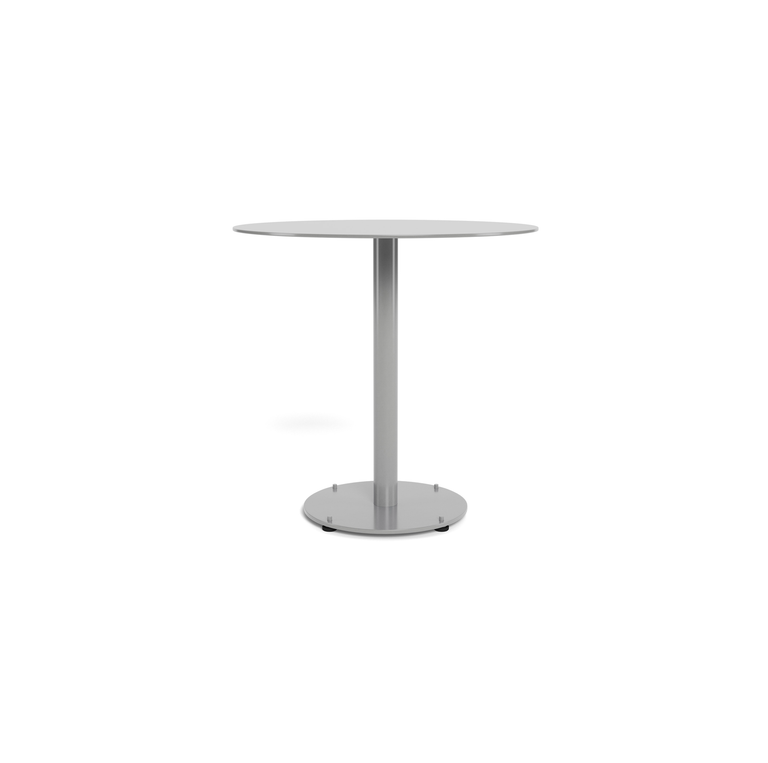
Beneath the I-beam pergola, Leaf Green Harvest tables and benches provide a vivid counterpoint to the wood and patinated metal. The color connects the hardscape gathering area to the surrounding lawns and plantings, attracting the eye and drawing people toward a communal place to meet, dine and spend time connecting with nature. Crafted using recycled HDPE, the Harvest elements also extend the project’s emphasis on resource-conscious material choices, pairing the reuse of site artifacts with furnishings designed to give recycled material a durable new life. Parc Centre tables and chairs, and Austin litters complete the park with equally clear, enduring forms.
At Wye Junction, historic infrastructure, salvaged materials and contemporary site furnishings work together as parts of one evolving landscape. The site’s industrial past remains legible, while its materials and forms take on a new role in a greener, more connected, more people-centric future.