Crystal Bridges Campus Parking and Plaza
Bentonville, Arkansas
Landscape Forms Elements:
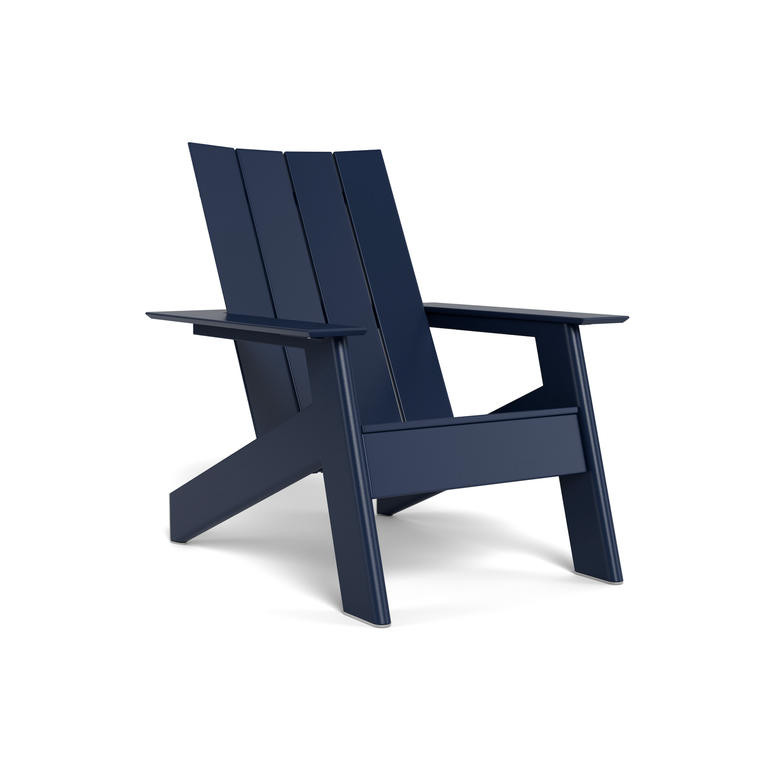
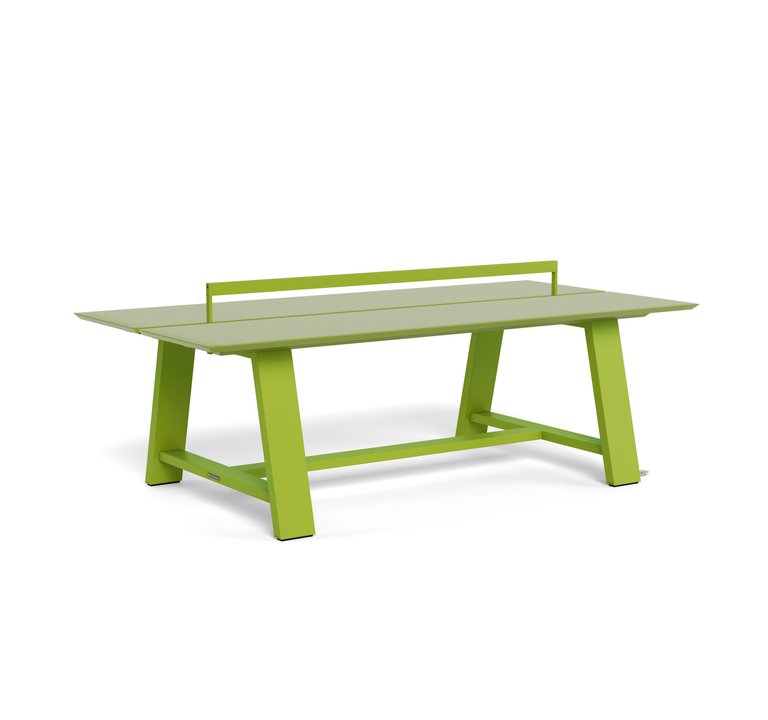
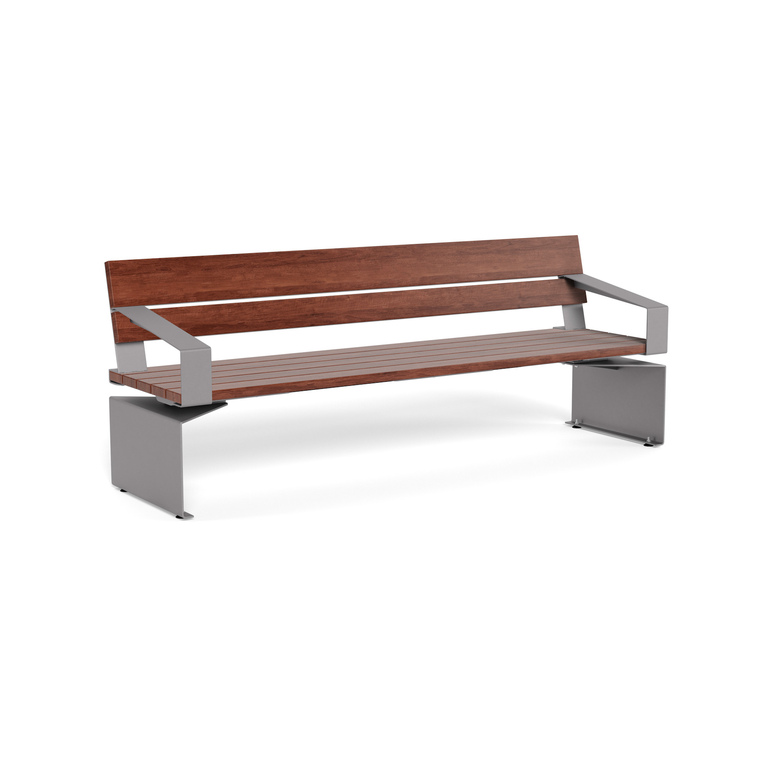
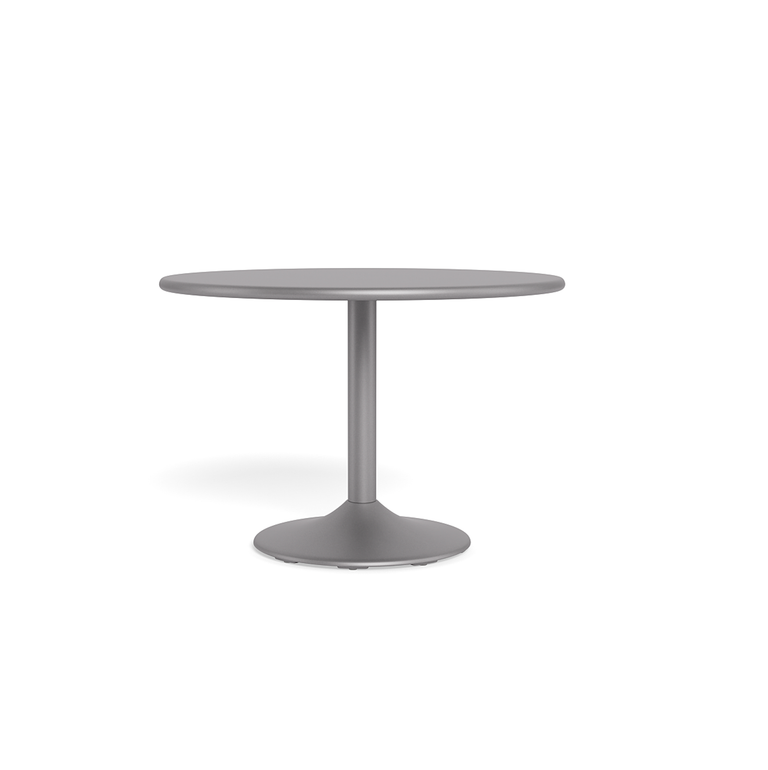
Americana Lounge Chairs, Harvest Rectangular Tables, Harvest Benches, Catena Tables, Link Benches, Harpo Benches, Verona Chairs, Ring Bike Racks
Architecture + Interiors:
Marlon Blackwell Architects
Landscape Architect:
Studio Bryan Hanes
Client/Owner:
Studio Bryan Hanes
Photography:
Timothy Hursley
At Crystal Bridges Museum of American Art, even arrival is part of an immersive, artful experience. Set at the edge of a wooded ravine in Bentonville, Arkansas, the museum’s new six-story campus parking structure and adjacent plaza were created to support a growing cultural district while extending the museum’s dialogue between art, architecture and nature into the first moments of a visit.
Designed by Marlon Blackwell Architects with landscape architecture by Studio Bryan Hanes, the project answers a practical need with a striking sculptural gesture. The museum needed to replace displaced surface parking and consolidate capacity for more than 800 cars, serving Crystal Bridges, the Scott Family Amazeum, the Heartland Whole Health Institute, trail users and future campus amenities. Rather than treat parking as purely functional infrastructure, the team reimagined it as a threshold—a place of orientation, gathering, hospitality and connection.
“The question became, why wait until visitors reach the museum or the forest to begin that experience? We wanted it to start at the parking deck.”
“Most people will experience Crystal Bridges by first arriving here,” says Ati Blackwell, Principal at Marlon Blackwell Architects. “So, the question became, why wait until visitors reach the museum or the forest to begin that experience? We wanted it to start at the parking deck.”
Now known as Crystal Bridges Campus Parking and Plaza, the structure draws from American design heritage, car culture and the everyday familiarity of the residential porch. Its “aqua-azure” fins, finished in custom automotive body paint, reference the 1965 Pontiac Tempest driven by Marlon Blackwell’s grandmother. Color-changing LED lighting animates the facade, transforming the structure into a vibrant evening time focal point.
The plaza translates this idea to the pedestrian scale. What began as a need for a gathering place for school groups and visitors became a larger public space organized around shade, water, seating and the edge of the forest. A programmable scrim of water recalls the springs found throughout the region, while a picnic grove overlooks a revitalized farm pond. Nearby, a footbridge crosses preserved natural habitat, lightly connecting the plaza to the North Forest Trail and the ravine below.
“For us, the plaza still had to work as a place where people could gather before heading to the museum or trails,” says Bryan Hanes, Principal of Studio Bryan Hanes. “But it also became this interface between an urban gesture, a major parking structure, and the forest. The pieces came together in a way that made the whole campus arrival feel more intentional.”
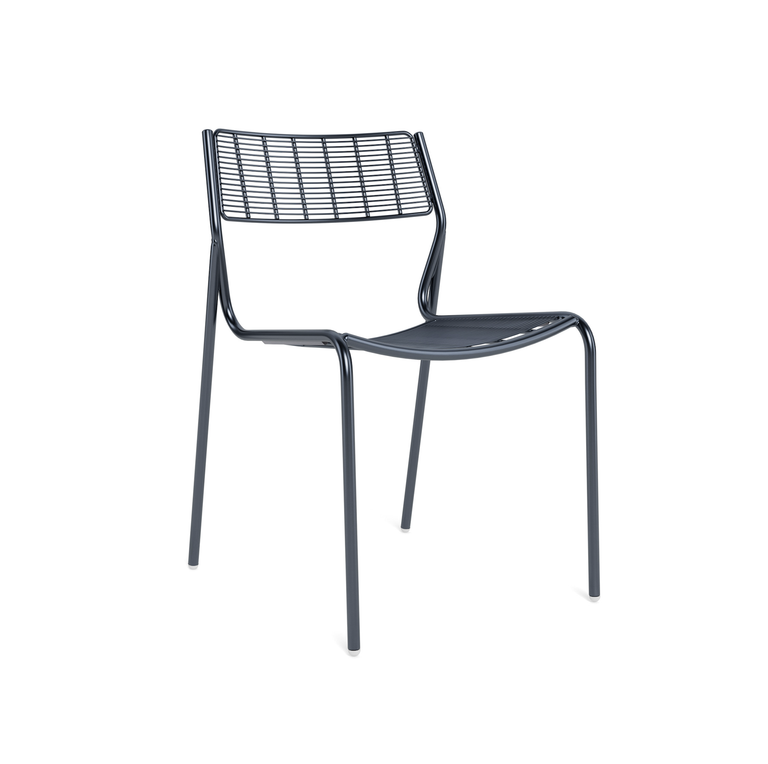
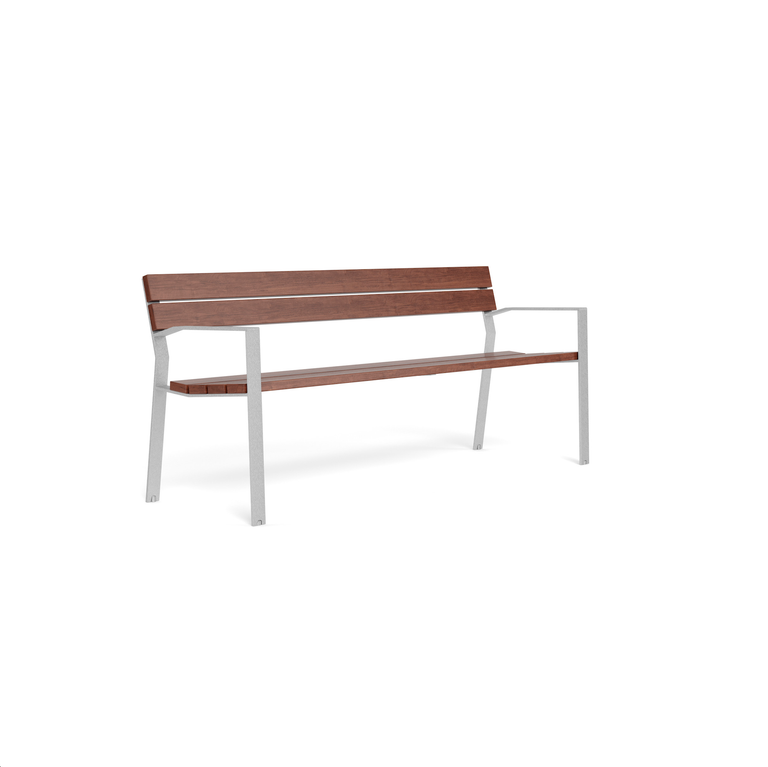
Landscape Forms site furnishings help support that experience with durability, comfort and continuity across the campus. Americana lounge chairs, Harvest and Catena tables, Link and Harpo benches, Verona chairs and Ring bike racks create places to pause, picnic, wait for a shuttle, gather with a group or participate in the life of the plaza. The site furnishings help form what Marlon Blackwell, FAIA, describes as “little pockets of happening,” softening the scale and lending intimacy to a large public space animated by families, students, cyclists, museum visitors and the surrounding community.
"It also became this interface between an urban gesture, a major parking structure, and the forest. The pieces came together in a way that made the whole campus arrival feel more intentional."
The inclusion of Americana was especially important to the architecture and landscape design teams. With its quintessential, Adirondack-inspired form paired with public space durability, the lounge chair brings a familiar, welcoming character to a project with bold architectural identity.
“The building has a big personality,” says Ati Blackwell. “We wanted furniture that felt welcoming and recognizable, something that would not compete with the architecture but would make people feel comfortable using the space. Americana had that balance of familiarity, refinement and durability.”
That durability was tested soon after the plaza and parking structure opened, when severe weather caused significant damage across the region and to parts of the campus. And yet, the Americana chairs remained entirely undamaged, shifted only slightly by the storm.
For Studio Bryan Hanes, Landscape Forms also offered a way to support the museum’s broader need for campus standardization. As Crystal Bridges continues to grow, furnishings, lighting and amenities play a role in making the campus feel coherent and easy to navigate.
“We often design custom furniture for our projects, like we did here as well, but here we also needed durable, consistent standard site furnishings that could become part of a larger campus language,” says Hanes. “Landscape Forms gave us that level of quality and flexibility while making the specification process straightforward.”
For Studio Bryan Hanes, Landscape Forms also offered a way to support the museum’s broader need for campus standardization. As Crystal Bridges continues to grow, furnishings, lighting and amenities play a role in making the campus feel coherent and easy to navigate.
“We often design custom furniture for our projects, like we did here as well, but here we also needed durable, consistent standard site furnishings that could become part of a larger campus language,” says Hanes. “Landscape Forms gave us that level of quality and flexibility while making the specification process straightforward.”