The Stacks at Buzzard Point
Washington, D.C.
Landscape Forms Elements:
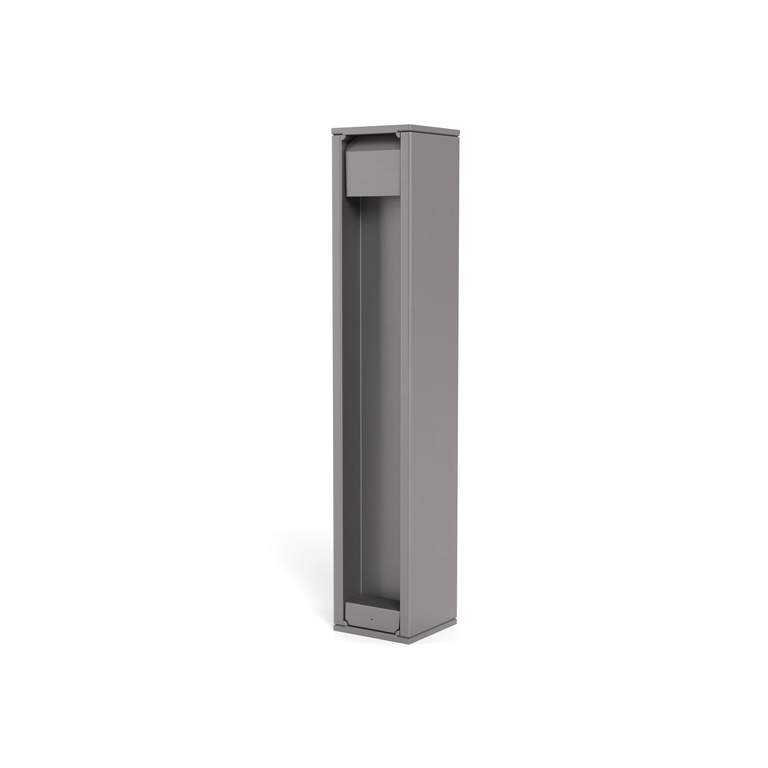
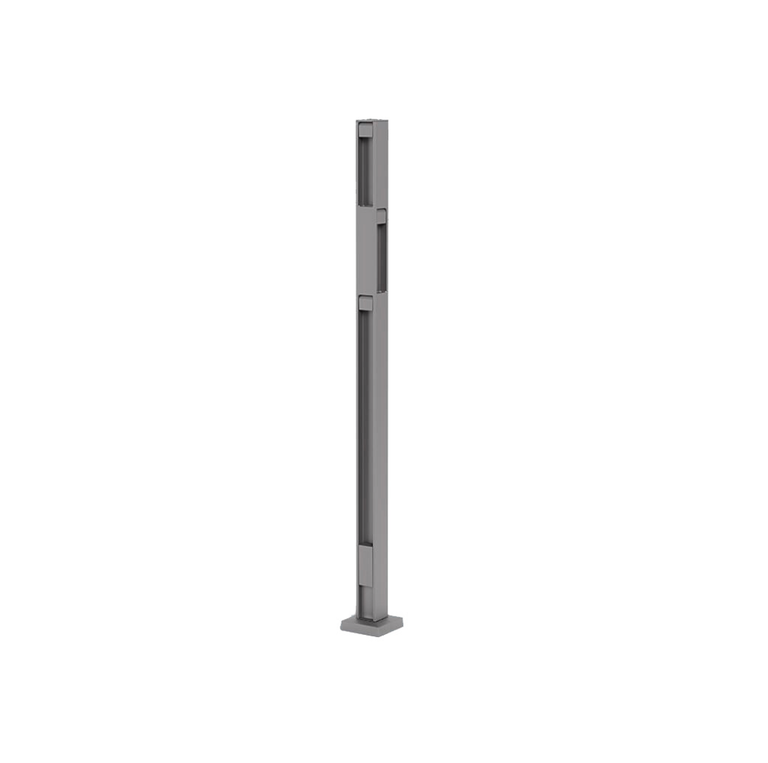
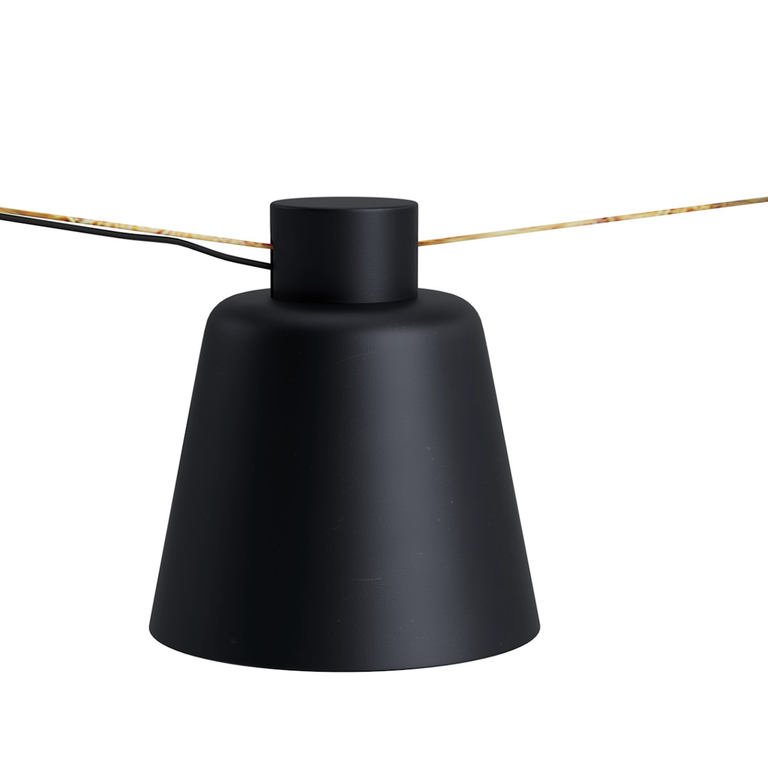
Profile Column Light, Profile Bollard, Tumbler Catenary
Design Partners:
CM KLING + ASSOCIATES, West 8/Lee & Associates, Gensler, Morris Adjmi Architects, Handel Architects, Eric Colbert & Associates, Akridge, National Real Estate Development
Photography:
Kenneth M Wyner Photography Inc.
At the southern edge of Washington, D.C., where the Potomac and Anacostia Rivers meet, The Stacks represents a striking transformation from a former industrial site into a vibrant, mixed-use waterfront community.
Developed by Akridge and National Real Estate Development, the 1.1-million-square-foot, multi-phase project brought together a collaborative group of leading architecture, landscape architecture, urban design and lighting firms, including Gensler, Morris Adjmi Architects, Handel Architects, Eric Colbert & Associates, West 8 and CM KLING + ASSOCIATES. Spanning seven acres, the development currently introduces more than 1,100 residential units across three distinct buildings—Colette, Everly and The Byron—alongside retail, green space and extensive shared amenities.
Rather than a singular architectural gesture, the vision was to create a place that feels layered, contextual and lived-in. “The developer was focused on creating a neighborhood with a range of living types that feels as though it developed organically over time,” says David Ghatan, CLD, IALD, MIES, president of CM KLING + ASSOCIATES.
Lighting was central to achieving that ambition. Early in the process, Ghatan and his team grounded their approach in direct observation of the city. “We walked throughout Washington, D.C., measuring light levels, evaluating color temperature and discussing how different environments made us feel—whether a space felt safe and how light interacted with materials like brick,” he explains.
The project’s pedestrian spine, a curving cobblestone “corso,” became the focal point of the lighting strategy. Designed as a car-free social space, it called for an approach that would maintain openness while defining the environment after dark. “We wanted to keep the space as clear as possible. It was intended to be a gathering place where people could move freely and comfortably,” Ghatan says.
Suspended Tumbler catenary fixtures establish a rhythmic overhead layer that unifies the space without introducing visual clutter at ground level.
“We set out to create a primary layer of lighting that felt rhythmic and natural to the space while also establishing a sense of enclosure overhead”
Selected for its balanced expression—at once contemporary and rooted in familiar forms—Tumbler brings a refined materiality and human scale to the corridor. Arranged in pairs along gently zigzagging catenary lines, the luminaires create a sense of cadence and continuity, reinforcing the character of the space while supporting comfortable, ambient illumination.
Equally important was restraint. The lighting design team prioritized a calibrated, human-centered approach, enabled by the performance capabilities of Tumbler. “We were not trying to light every inch of the space. It was important that the fixtures did not create glare or spill light into adjacent residences, so we carefully considered output, lensing and spacing,” Ghatan notes. With a range of distributions, color temperatures and outputs available, Tumbler allowed the team to fine-tune light levels across the corridor, delivering consistent ambient illumination while minimizing glare and protecting the comfort and privacy of surrounding residences.
At the site’s edges, where the development transitions into open green space, Profile column lights and bollards extend the lighting language while adapting to a more park-like context. Originally conceived as a custom solution, the team ultimately specified Profile for its ability to deliver both refined, softly industrial form and high-performance illumination. “We had originally developed a custom I-beam pole concept, but when Profile was introduced, we recognized that it achieved everything we wanted with a product already on the market,” Ghatan says. With its slender, architectural form and modular luminaires, the system delivers precise, controlled illumination that supports wayfinding and visibility without visual clutter, while reinforcing continuity across the site’s varied paths, gathering areas and landscape edges.
Across The Stacks, lighting serves as connective tissue, linking distinct architectural identities through a cohesive, site-wide approach. “The site lighting, including the catenary system and column fixtures, provides a continuous thread that ties the entire development together,” Ghatan explains. This layered approach brings clarity and cohesion to the nighttime environment, supporting movement, enhancing comfort and reinforcing the project’s ambition to create a dynamic, human-scaled neighborhood that feels both contemporary and well established.